
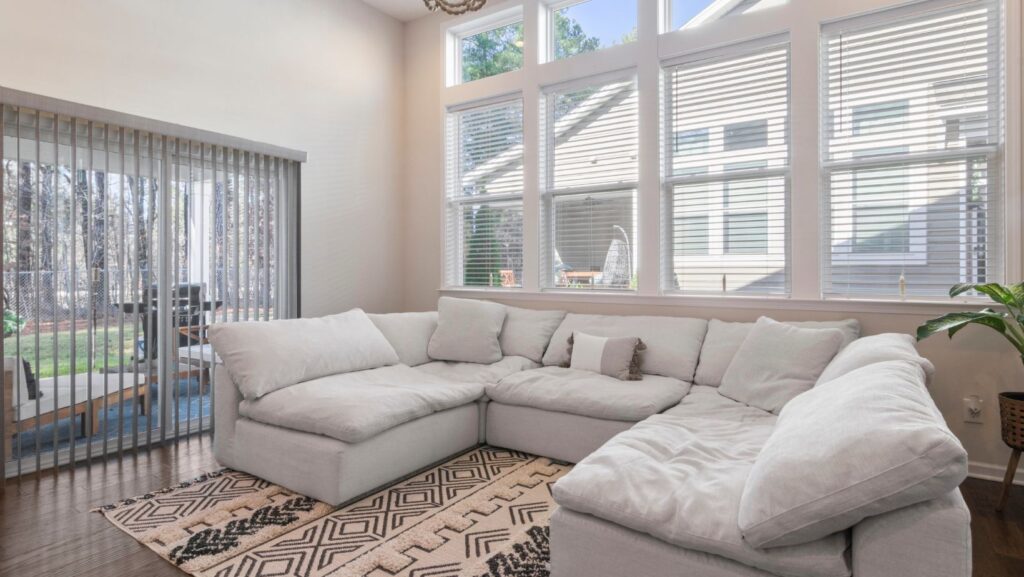
A sofa is more than a place to sit. It shapes the feel of a living room, sets the tone for comfort, and supports the routines that fill a home each day. Because a sofa carries that much responsibility, the way it is built matters. Many people now look for pieces that adapt as life changes, which is why modular sectionals have become so common. When you combine that flexibility with a solid wood frame, you get a sofa that feels steady, grounded, and reliable. This guide explores why that combination works so well and how to know if it fits your home.
What a Modular Sectional Actually Is
A modular sectional is a sofa made from individual pieces that connect to create different shapes. You might start with a simple two-seat layout, then add a corner piece or chaise later. You can arrange modules in an L-shape, stretch them into a long line, or break them apart when you want more open space. The design adapts to what you need next, not what you needed when you first bought it.
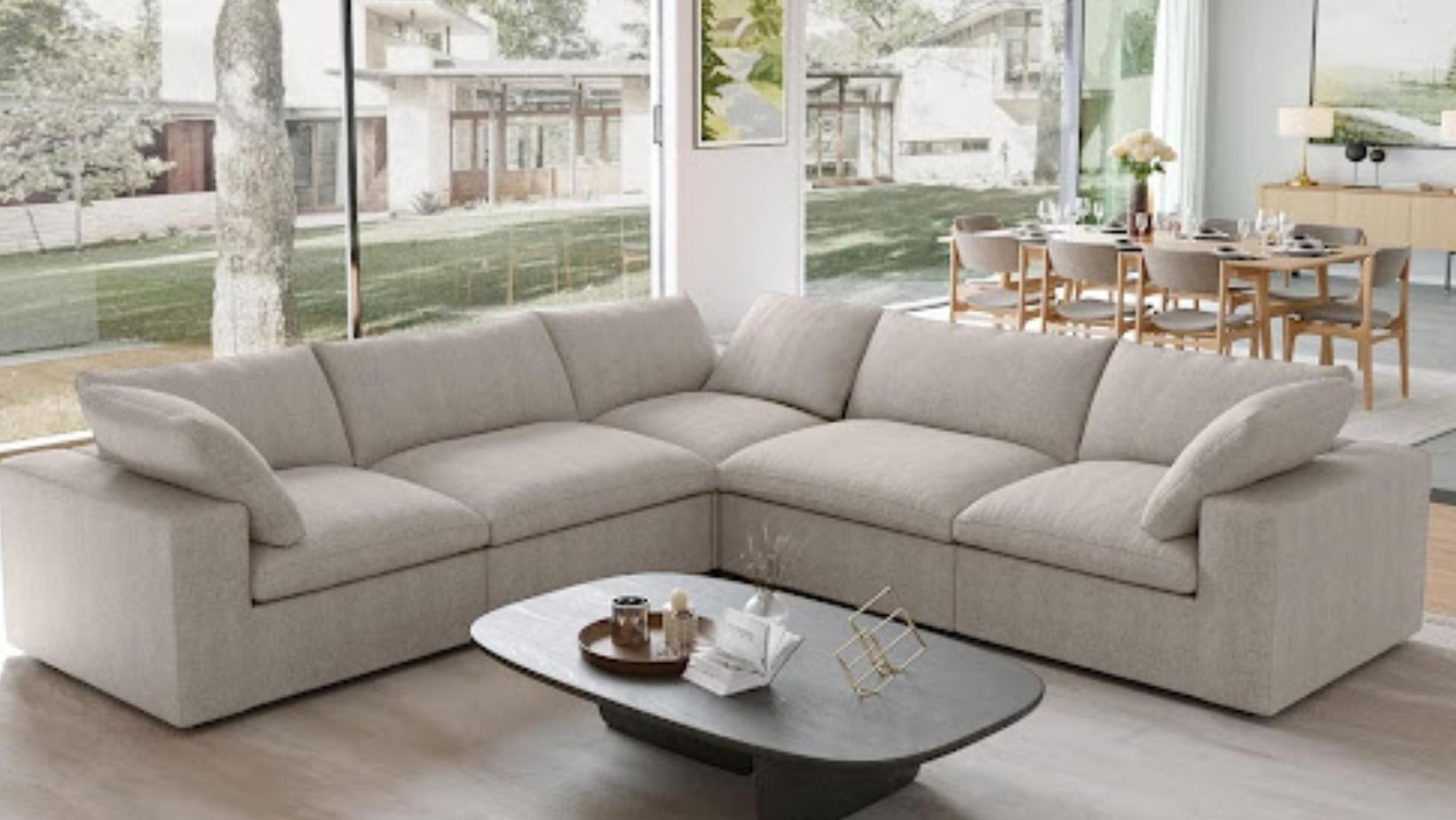
Modular furniture works well for many reasons. It makes rearranging easy. It fits awkward room shapes. It adjusts when families grow or routines shift. Moving one module at a time feels manageable, even in small apartments or busy households. The idea is simple: your furniture should support your lifestyle, not restrict it.
Why the Frame Matters in Any Sofa
The frame of a sofa is its foundation. It influences how the sofa feels, how long it lasts, and how well it handles everyday use. A strong frame keeps the structure steady. It prevents sagging. It helps the cushions stay comfortable. A weak frame does the opposite. It loosens with time, creaks under pressure, and affects how the sofa sits.

A good frame protects your long-term comfort. It prevents wobbling and supports the natural shape of the cushions. It is the hidden part of the sofa that determines how the visible parts perform.
What Solid Wood Brings to a Modular Sectional
Solid wood is one of the most trusted materials for sofa frames. It provides strength that holds up through years of shifting layouts, daily lounging, and regular cleaning. A solid wood frame distributes weight evenly across the piece. This helps the sofa resist bending or sagging, which is common with lighter or engineered materials.
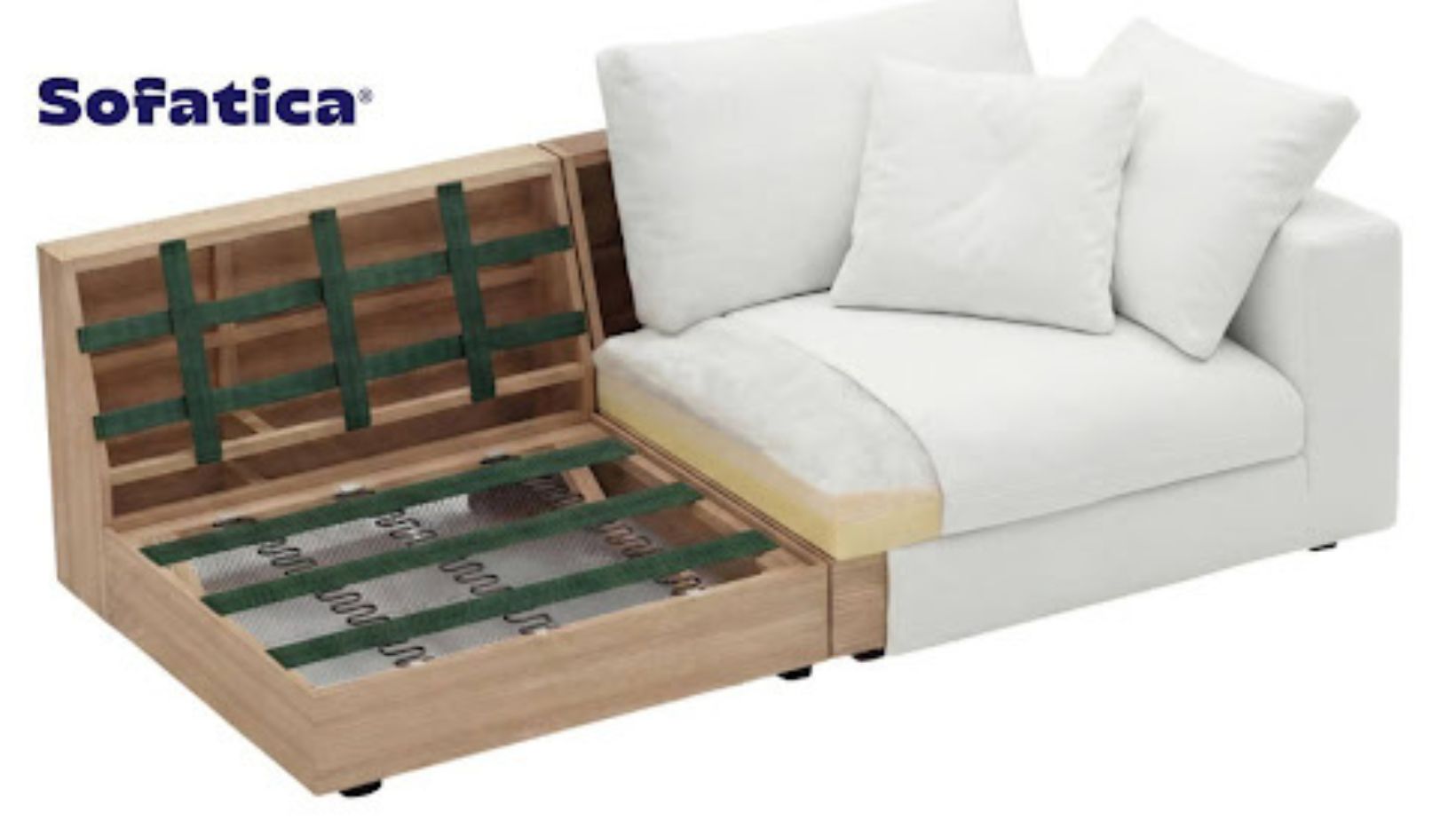
Hardwoods such as oak, ash, beech, and maple are especially valued. They withstand stress well and stay stable even when humidity changes through the seasons. A solid wood frame also handles the movements of modular furniture more naturally. Modules can be lifted, rearranged, and reconnected without weakening the structure.
Compared to particleboard or softwood, solid wood lasts far longer. It does not crumble around screws or lose shape under pressure. It offers a grounded, steady base that supports deeper seating and long lounging sessions. These qualities make the sofa feel calm and reliable, even with daily use.
Comfort and Everyday Use
The comfort of a sofa is shaped by more than the cushions. The frame influences how the seat feels every time you sit down. A solid wood frame helps the sofa stay firm in the right places and relaxed in others. It keeps the modules aligned so the seating surface feels even.
When the frame is sturdy, the cushions settle on a stable base. This reduces wobbling and helps the sofa feel supportive. Over time, a solid wood frame prevents dips from forming in the middle of the seating surface. This keeps the sofa comfortable for longer.
How Solid Wood and Modular Design Work Together
Modular sectionals invite constant adjustment. Pieces are pushed together, pulled apart, lifted, and reset in different layouts. A solid wood frame supports these movements without weakening. It handles the weight of rearranging and stays stable when modules connect from different angles.

Some modular designs, such as Sofatica’s modular sectional sofa, use durable hardwood frames for this reason. When the base is strong, people can enjoy rearranging the room without worrying about the sofa wearing out.
The combination of modular freedom and solid wood strength creates a piece that feels stable even as your home evolves.
How to Tell If a Solid Wood Frame Is Well-Made
Not all solid wood frames offer the same level of strength. A few simple signs can help you understand whether a frame is built to last. Look for these features when evaluating quality:
- Kiln-dried hardwood. Drying the wood reduces the risk of warping and cracking over time.
- Strong joinery. Corner blocking, dowel joints, and sturdy reinforcements help the frame stay stable under daily use.
- Even, smooth finishing. A clean finish shows attention to detail and helps the frame resist splintering.
- Level, balanced modules. When pieces sit flush and connect evenly, it often means the internal structure is solid.
- Secure connectors. Well-made frames use durable hardware that holds modules together without shifting.
A few simple care habits help the frame stay strong. Lift modules instead of dragging them. Check connectors once in a while. Keep the room’s humidity balanced if possible. These small steps protect the structure and help the sectional stay reliable over time.
Final Thoughts
A modular sectional with a solid wood frame offers a thoughtful blend of flexibility and durability. It fits homes that change often, rooms that need structure, and families that value long-term comfort. The strength of the wood supports the freedom of modular design, creating a sofa that adapts and stays steady at the same time. If you want seating that evolves with your space and holds up through everyday life, this combination is worth considering.